

Reviews
Fortress Stand: Endless Siege strips tower defense down to its core, offering a pure test of aim and strategy. The single-emplacement design creates a personal connection to every shot. Enemy variety is impressive, with each wave requiring a different approach. The upgrade system allows for meaningful customization without overwhelming the player. It is a well-crafted experience for fans of the genre.
Description
Core Defensive Mechanics
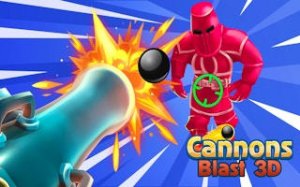
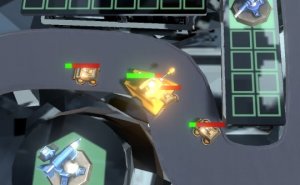
Fortress Stand: Endless Siege places you in control of a fixed defensive emplacement. Your primary objective is to prevent enemy forces from reaching your stronghold. The game focuses on precision aiming and timing, as each shot consumes resources that must be managed carefully. Unlike many games in the genre, this title emphasizes a single, upgradable defensive point rather than a network of towers. This design choice creates a more intimate and intense experience where every decision carries weight.
Enemy Variety and Wave Composition
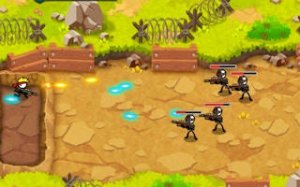
Opponents arrive in organized waves, each with distinct characteristics. Early groups may consist of lightly armored units that move quickly, while later waves introduce heavily protected units that require multiple hits to neutralize. Some formations spread out to test your aim, while others cluster together, offering opportunities for efficient area attacks. The game does not follow a fixed pattern, so players must stay alert and adjust their targeting priorities as new threats emerge.
Upgrade Paths and Customization
Between waves, players can invest resources earned from defeated enemies into improving their defensive emplacement. Available upgrades typically enhance damage output, reduce reload intervals, or extend effective range. The system allows for specialization; for instance, focusing on rapid fire suits a reactive playstyle, while maximizing damage per shot benefits those who prefer careful, deliberate aiming. There is no single optimal build, encouraging experimentation.
Progression and Difficulty Curve
The challenge escalates gradually, giving newcomers time to learn the basics before facing more complex scenarios. As the game progresses, enemy density increases and new unit types appear, demanding more precise control and faster decision-making. The difficulty curve is designed to feel fair, with each defeat providing a lesson that can be applied in the next attempt. This structure keeps the experience engaging without becoming frustrating.
Control Scheme and Accessibility
Controls are streamlined for quick learning. Players aim using a mouse or touch input, with a single action to fire. The interface provides clear feedback on resource counts and upgrade options, minimizing confusion. This simplicity makes the game accessible to casual players, while the depth of strategic choices ensures that experienced gamers will find plenty to master. The responsive controls are essential for handling the fast-paced later waves.




03 Comments
Sign in to comment
You must be logged in before posting a review or rating.
No account? Create one
No comments yet. Be the first to comment!