

Reviews
Musical Beat Challenge with Peppa succeeds in making music-based gameplay accessible to a wide audience. The gradual difficulty curve allows beginners to build confidence without pressure, while the colorful visuals and upbeat soundtrack create a consistently positive atmosphere. The simple control scheme means anyone can pick it up and play within seconds. It is an ideal choice for families looking for a safe, engaging activity that encourages listening skills and coordination without competitive stress.
Description
Gameplay Overview
Musical Beat Challenge with Peppa is an online timing game that puts a friendly spin on classic music-based gameplay. Players participate in a lighthearted exchange of musical phrases, responding to on-screen cues that correspond to a steady beat. The game emphasizes coordination and listening skills rather than speed or difficulty. Its design keeps the experience accessible, allowing players of different ages to join in without feeling overwhelmed. The core loop involves pressing designated keys when visual markers align with the music, creating a satisfying sense of rhythm and flow. This approach makes it an excellent entry point for those new to timing-based games while still offering enough structure to engage experienced players.
Visual Style and Atmosphere
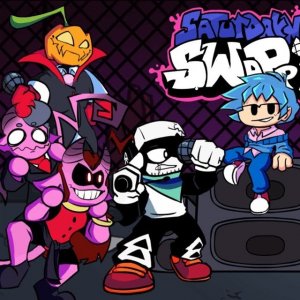
The game presents a bright and inviting visual world filled with warm colors and friendly character designs. Each musical round takes place against a backdrop that changes with the song, adding variety to the experience. The interface is clean and uncluttered, with clear indicators that guide player actions. Animations are smooth and playful, reinforcing the cheerful tone. The overall aesthetic avoids complexity, focusing instead on creating a welcoming space where players can relax and enjoy the music. This visual approach supports the game's goal of providing a positive, low-pressure environment for family play.
Musical Selection and Progression
A variety of songs are included, each with its own tempo and pattern structure. Players start with simpler tracks that have slower beats and fewer note combinations, allowing them to build confidence. As they improve, more complex songs become available, introducing faster rhythms and longer sequences. The music spans different styles, ensuring there is something to appeal to diverse tastes. Each song is designed to be completed in a short session, making the game suitable for quick play breaks or longer family sessions. The progression system rewards consistency and accuracy, encouraging players to revisit songs to improve their performance.
Controls and Accessibility
The control scheme is straightforward, relying on keyboard inputs that are easy to learn. On-screen prompts appear in time with the music, showing which key to press and when. The game provides immediate feedback after each action, highlighting correct presses and gently indicating missed notes. This feedback helps players adjust their timing without causing frustration. No prior musical knowledge or gaming experience is required to start playing. The simple input method means that even very young players can participate with minimal guidance, making it a practical choice for family game time.
Family-Friendly Design Philosophy
Every aspect of the game is built around creating a safe and enjoyable experience for all ages. There are no competitive leaderboards that might discourage less experienced players, and the difficulty curve is gentle. The content avoids any themes that could be considered inappropriate, focusing purely on music and friendly interaction. The game encourages cooperative play, where family members can take turns or play together, discussing strategies and celebrating successes. This design choice reinforces the idea that the primary goal is shared fun rather than individual achievement. The result is a game that brings people together through music and play.
Tips for Improving Timing
To get the most out of the game, players should focus on listening to the beat before pressing keys. Starting with slower songs helps build a foundation of accurate timing. It helps to watch the visual cues closely, as they provide a clear guide for when to act. Staying relaxed and keeping a steady pace often leads to better results than trying to rush. Repeating songs several times allows players to learn the pattern and anticipate upcoming notes. Over time, this practice improves coordination and makes the experience more enjoyable.






03 Comments
Sign in to comment
You must be logged in before posting a review or rating.
No account? Create one
No comments yet. Be the first to comment!