
Reviews
Position & Plan Tactical Board stands out for its clear focus on resource management and positioning. The shop phase adds a meaningful layer of choice before each battle, and the grid maps require you to think about range and placement rather than just strength. Difficulty increases at a comfortable pace, and the clean interface keeps the experience accessible. It is a solid choice for anyone who enjoys puzzle-like strategy games without distractions.
Description
Core Gameplay Loop
In Position & Plan Tactical Board, each level begins with a preparation phase. You receive a set amount of resources to spend on units and fuel. Units have different capabilities, and fuel determines how far they can move. After purchasing, you enter the battle phase where you drag each unit onto highlighted positions on the grid. Once placed, units automatically attack any opponent within their range. The turn-based structure gives you time to think before committing to a move. This cycle of buying, placing, and watching your strategy unfold forms the heart of the experience.
Resource Allocation Decisions
A key part of the game is deciding how to spend your limited resources. Powerful units cost more but can defeat opponents quickly. However, without enough fuel, those units may not reach key positions. Weaker units are cheaper and allow you to field more pieces, but they require better positioning to be effective. Each level presents a new puzzle of balancing offense, defense, and mobility. Players must consider not just what to buy, but how to arrange their forces for maximum impact.
Map Layout and Positioning
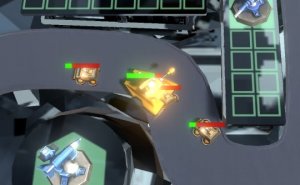
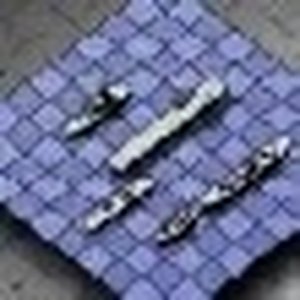
The grid maps vary in shape, size, and the placement of starting zones. Some maps have narrow corridors that force direct confrontations, while others offer open areas where range and cover matter more. Highlighted positions indicate where you can place your units, and choosing the right spot can give you the first attack. Because units automatically target enemies within range, positioning determines which of your units engage and which stay safe. Learning to read the map and anticipate opponent movements is essential for advancing.
Difficulty Progression
Early levels introduce basic mechanics with simple maps and generous resources. As you progress, maps become more complex, resources become tighter, and opponents are placed in more challenging formations. This gradual increase in difficulty allows players to build their skills naturally. Replaying earlier levels can help refine your approach and prepare for tougher challenges. The game rewards patience and careful planning rather than speed, making it accessible to players of different ages and experience levels.
Visual Style and User Interface
The game uses a clean, uncluttered visual style. The grid is clearly marked, and unit icons are easy to distinguish. The interface guides you through each phase with simple prompts, so there is little confusion about what to do next. Menus are straightforward, and the shop screen clearly shows costs and unit stats. This focus on clarity means you can concentrate on strategy rather than struggling with controls. The overall presentation is calm and functional, supporting the thoughtful nature of the gameplay.
03 Comments
Sign in to comment
You must be logged in before posting a review or rating.
No account? Create one
No comments yet. Be the first to comment!