
Reviews
Arcade Artillery Duel succeeds by doing one thing well. The physics system feels satisfying, and the terrain adds meaningful variety to each match. Matches are short but tense, with each turn requiring a fresh calculation. The retro pixel art is charming without being distracting. It is an excellent choice for players who enjoy turn-based strategy without complex rules.
Description
Core Gameplay Loop
Arcade Artillery Duel strips away unnecessary complexity to focus on a single engaging mechanic. Each turn, you set the launch angle and propulsion power for your projectile. The terrain between you and your opponent features rolling hills and valleys that can block or redirect your shot. Landing a direct hit on the enemy launcher scores a point, and the first to three points wins. This simple structure makes it easy to pick up, but the physics system rewards careful calculation and adaptation.
Physics and Terrain Interaction
The game simulates realistic projectile motion based on your chosen angle and force. Terrain elevation changes the effective distance and trajectory, so a shot that works on one map may fail on another. Environmental factors like wind (if present) add another layer of consideration. Each miss alters the battlefield conditions, forcing you to recalculate. This dynamic keeps the gameplay fresh and prevents any single strategy from dominating.
Visual Style and Atmosphere
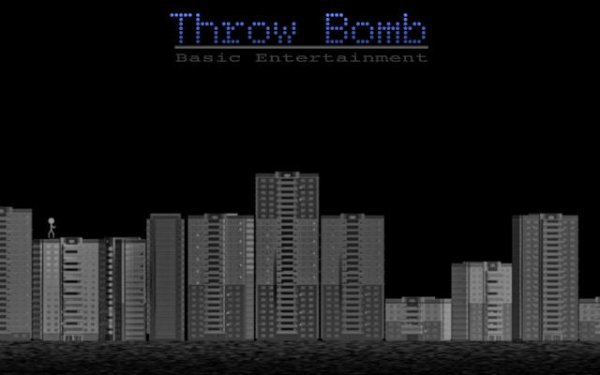
The pixel art aesthetic recalls the look of late 1980s computer games. Colors are limited but effective, with clear contrast between the sky, ground, and launchers. Animations are minimal but functional, focusing attention on the projectile's arc. The interface shows your current angle and power settings clearly, so you can make precise adjustments. This restrained visual approach supports the game's emphasis on strategy over spectacle.
Match Flow and Duration
Rounds proceed quickly because each turn involves only two decisions: angle and power. A typical match lasts about five to ten minutes, making it suitable for short breaks. The turn-based structure gives you time to think without pressure, which is ideal for players who prefer thoughtful play over fast reflexes. Matches can be played against a friend on the same device, fostering a social, competitive atmosphere.
Learning Curve and Mastery
New players can grasp the basics within a few turns. The challenge lies in predicting how angle and power interact with the terrain. Small adjustments can have large effects, so experimentation is key. Over time, you develop an intuitive sense for trajectories and learn to read the landscape. This gradual mastery provides a satisfying sense of improvement without requiring hours of practice.









03 Comments
Sign in to comment
You must be logged in before posting a review or rating.
No account? Create one
No comments yet. Be the first to comment!