 TapTinyLabs
TapTinyLabs
TapTinyLabs

Musical Showdown Arena offers a clean, family-friendly rhythm experience that is easy to pick up but hard to master. The two play modes provide good variety, and the increasing speed keeps the gameplay engaging. It is a perfect choice for casual gamers or anyone looking for a wholesome musical challenge without any inappropriate content.
Musical Showdown Arena is a rhythm game that invites players to experience the joy of matching musical patterns. The core objective is to follow a sequence of on-screen prompts in time with a backing track, aiming for accuracy and consistency. Players assist a character in a musical contest by repeating a composition with minimal errors. As the tempo increases, the challenge grows, demanding sharp focus and quick reactions. This game is designed to be accessible and enjoyable for all age groups, offering a wholesome entertainment option for those who appreciate music-based challenges. Its appeal lies in the simple yet engaging premise of coordinating visual cues with auditory rhythms, making it a great choice for casual play or more dedicated practice sessions.
Players typically use directional inputs on their keyboard or controller to match symbols that appear on the screen. These symbols align with a target area, and the goal is to press the corresponding input exactly when the symbol reaches that zone. Timing is crucial, as early or late presses may result in a miss. The game usually presents a series of these inputs in a pattern that follows the music. Players can select from different modes at the start, such as a free selection mode or a structured story mode, which determines the order of the musical pieces they will encounter. The pace of the inputs often increases as the player progresses, requiring sustained attention and coordination.
This game offers a rhythm-based gameplay loop that becomes progressively more challenging. It includes multiple play modes, allowing players to choose their own path or follow a predetermined sequence of musical pieces. The content is designed to be family-friendly, making it suitable for players of various ages. Controls are straightforward and easy to learn, focusing on timing and pattern recognition. The game may also feature a variety of musical tracks with different tempos and patterns, providing variety and replay value. Visual feedback for accurate inputs helps players track their performance.
Consistent practice is key to improving timing and accuracy. Beginners may find it helpful to start with slower pieces to build a foundation before attempting faster sequences. Focusing on the overall pattern of inputs rather than individual notes can help anticipate upcoming moves. Taking short breaks during longer play sessions can help maintain concentration. Listening carefully to the music can also provide cues for the rhythm of the inputs, making it easier to stay on beat.
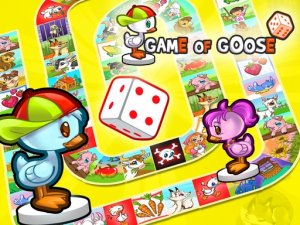
A delightful digital version of a classic board game, perfect for family fun and friendly competition.

A fast, family-friendly arcade game that tests reflexes. Free, simple, and addictive.
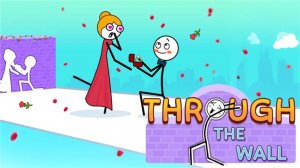
A clever puzzle game that challenges timing and observation. Fun for all ages.
A fun, family-friendly trivia game that makes learning enjoyable with immediate feedback and progress tracking.

A fast-paced reflex challenge with simple controls and endless replayability. Perfect for quick gaming sessions.
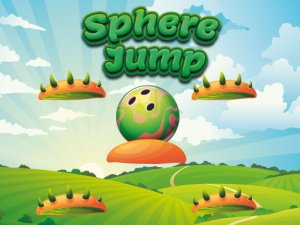
A fun, family-friendly jumping game with colorful graphics and a global leaderboard. Great for quick sessions.
Slide Match Block Puzzle offers simple, addictive matching with a unique sliding mechanic. Great for quick fun.
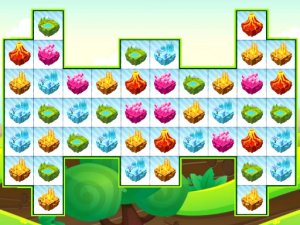
A relaxing tile-matching game with a tropical theme, perfect for casual puzzle fans of all ages.